Cross Border Freight Explained: What You Need to Know

what is cross border trucking

Cross-border freight forms the backbone of international trade and commerce, connecting businesses across borders and enabling seamless transportation of goods. Whether it’s goods moving between Malaysia and Singapore or between other neighboring countries, cross-border freight ensures economic collaboration and efficiency. This article provides a comprehensive look into cross-border freight, including its meaning, significance, and logistics, with a particular focus on cross-border trucking, a key mode of transportation.


What is Cross-Border Freight?

At its core, cross-border freight refers to the transportation of goods across international borders. This transportation can be accomplished via different modes, including trucking, rail, air, and sea. This involves logistics, customs clearance, and regulatory compliance to ensure shipments move seamlessly between countries. Understanding the complexities of cross-border freight is essential for businesses engaging in international trade, especially in Southeast Asia’s dynamic market.

For example, a shipment of electronics manufactured in Malaysia may be transported to Thailand via trucks, requiring export permits, customs documentation, and adherence to trade regulations.

Cross-border freight is essential for industries reliant on international supply chains, ensuring goods reach their destinations on time and in good condition.


Types of Cross-Border Freight Transport

Cross-border freight can be moved via various modes of transportation, depending on the type of cargo and distance:

  1. Road Transport (Trucking): The most common method for short to medium distances, offering flexibility and cost efficiency. Cross-border trucking is especially prevalent in regions like Southeast Asia.
  2. Rail Transport: Suitable for bulk goods over longer distances. It is commonly used in Europe and China for large-scale shipments.
  3. Sea Freight: Ideal for international shipments requiring large volumes but not urgent delivery. Ports often handle goods for cross-border shipping in distant markets.
  4. Air Freight: Fast but costly, used for high-value or time-sensitive cargo like electronics or pharmaceuticals.

Each mode has its unique advantages, but road transport often dominates in regions with interconnected land borders.


Understanding Cross-Border Trucking

Cross-border trucking is a vital component of cross-border transportation, involving the use of trucks to transport goods between two or more countries. It is particularly prevalent in regions with well-connected road networks, such as Southeast Asia, where Malaysia, Singapore, and Thailand share significant trade routes.

Key Features of Cross-Border Trucking

  • Direct transportation of goods without the need for intermediate transfers.
  • Cost-effective for short-to-medium distances.
  • Flexible, accommodating various types of cargo, from perishable goods to industrial materials.
  • Door-to-door delivery for B2B 

For instance, trucks carrying fresh produce from farms in Malaysia to Singapore markets leverage the speed and efficiency of cross-border trucking to preserve product freshness. Truck drivers must obtain necessary permits and comply with regulations from both the exporting and importing countries to ensure efficient transit.


what is cross border freight


Cross-Border Trade in Southeast Asia

Cross-border trade refers to the exchange of goods and services between neighboring countries. It is facilitated by transportation networks like roads, railways, and ports. Countries often enter trade agreements to simplify and standardize the processes involved in moving goods across borders.

Malaysia-Singapore Cross-Border Trade

The Malaysia-Singapore border is one of the busiest in Southeast Asia, with two main land crossings:

  • Causeway (Johor Bahru-Woodlands)
  • Second Link (Tuas)

Goods such as electronics, machinery, and fresh produce flow daily across the Johor-Singapore Causeway, one of the busiest land borders in the world. The trade relationship between Malaysia and Singapore is robust due to their geographical proximity and comprehensive free trade agreements.

Malaysia-Thailand Cross-Border Trade

The Malaysia-Thailand border represents another crucial trade corridor. Rubber and automotive parts frequently move between these nations via well-established trucking routes. The Malaysia-Thailand cross border trades include:

  • Multiple crossing points including Bukit Kayu Hitam-Sadao
  • Focus on agricultural and manufacturing goods
  • Growing importance in the ASEAN supply chain
  • Developing infrastructure to support increased trade

International Trade Outside Southeast Asia: US-Mexico Cross Border Trade

The trade between the United States and Canada illustrates cross-border trade dynamics. Both countries share extensive trade agreements that simplify the movement of goods like vehicles and agricultural products across their borders.


What Goods Are Transported via Trucking?

Cross-border trucking is versatile and supports a wide range of industries. Commonly transported goods include:

  1. Perishable Goods: Fresh produce, seafood, and dairy products benefit from the speed and controlled environments of cross-border trucking.
  2. Automotive Parts: The automotive industry relies heavily on trucking for the delivery of parts and components to manufacturing plants.
  3. Consumer Goods: Electronics, furniture, and clothing are frequently transported to meet the demands of retail markets.
  4. Industrial Materials: Building materials, machinery, and raw goods are often moved across borders for industrial applications.
  5. Pharmaceuticals: Temperature-controlled trucks ensure the safe delivery of medical supplies and vaccines.


Importance of Cross-Border Freight in Global Trade

The importance of cross-border freight cannot be overstated, as it plays a crucial role in facilitating international commerce. Here’s why:

  1. Economic Growth: Cross-border freight supports trade agreements, boosts export-import activities, and stimulates economic growth for participating nations.
  2. Supply Chain Integration: Efficient freight systems integrate global supply chains, ensuring timely delivery of raw materials and finished goods.
  3. Market Expansion: Businesses can expand into international markets by leveraging reliable cross-border freight services.
  4. Strengthening Relationships: Trade between neighboring countries fosters stronger diplomatic and economic ties.

Without efficient cross-border freight systems, global trade would face significant delays, increased costs, and logistical challenges.


Wrapping It Up

Cross-border freight is a cornerstone of international trade, enabling goods to flow seamlessly between nations and supporting global commerce. Among its various modes, cross-border trucking stands out for its flexibility, cost-effectiveness, and reliability, particularly in regions like Southeast Asia.

If you’re looking for efficient cross-border transportation services, Global Track Lines specializes in cross-border trucking service in Malaysia, from crossing Malaysia-Thailand to Malaysia-Singapore. With expertise in handling a variety of goods and ensuring compliance with international regulations, Global Track Lines is your trusted partner for smooth and reliable freight operations. Contact us today to learn more about our services!

What is Cargo Insurance: Why Do You Need It in Logistics?

What is Cargo Insurance

In the world of logistics and shipping, unforeseen events like accidents, theft, or natural disasters can jeopardize the safety of your cargo. Cargo insurance offers a safety net, protecting your shipments from potential financial losses and mitigating the financial risks associated with loss or damage to cargo during transportation. 

In this article, we’ll explore what cargo insurance is, its types, benefits, and why it’s essential for businesses involved in logistics and international trade.

Understanding Cargo Insurance

Cargo insurance is a policy designed to provide financial protection for businesses against the loss or damage of goods while they are being transported by land, sea, air or rail. This type of shipment insurance covers a variety of scenarios, including theft, damage due to accidents, natural disasters, and other unforeseen events that may occur during transit. Think of it as a protective shield that surrounds your shipment from the moment it leaves the warehouse until it reaches its final destination.

types of cargo insurance

Types of Cargo Insurance Coverage

There are several types of cargo insurance coverage available for the logistics and shipping industry, including:

1. All-Risk Coverage

This is the most comprehensive cargo insurance option, covering a wide range of potential risks, including theft, loss, damage, or natural disasters unless specifically excluded. While more expensive, it offers the broadest protection for your cargo.

2. Named Perils Coverage

This type of coverage covers only the risks explicitly listed in the policy, such as fire, theft, or collision making it a more economical choice for businesses with well-understood shipping risks.

3. General Average Coverage

This applies when cargo is sacrificed to save the ship or other cargo in an emergency situation.

4. Marine Cargo Insurance

Marine cargo insurance is specifically designed for goods transported by sea freight, covering risks associated with maritime shipping. The coverage includes hull insurance, cargo Insurance and liability insurance. The scope is comprehensive, covering not just the cargo but also the ship and other marine-related risks like piracy or natural disasters.

In summary, cargo insurance is a subset of marine insurance. While cargo insurance focuses solely on the goods being transported, marine insurance has a wider scope, covering other aspects of maritime operations.

5. Open Cover Insurance

This type provides continuous coverage for multiple shipments over a specified period. It’s particularly beneficial for businesses that ship goods regularly, as they don’t need to arrange new insurance for each shipment.

6. Single Shipment Insurance

Also known as specific cargo insurance, this coverage applies to one-time shipments or occasional transportation needs. It’s ideal for businesses with irregular shipping patterns or unique cargo requirements.

7. Land Cargo Insurance

Protects goods transported via road such as cross-border trucking or rail within a specific country or region.


Benefits of Cargo and Freight Insurance for Businesses

Is freight insurance worth it? Investing in cargo and freight insurance offers numerous benefits for businesses engaged in shipping logistics:

  • Financial Protection: It safeguards against significant financial losses due to damaged or lost goods against unforeseen expenses like cleanup costs or legal fees resulting from shipping incidents.
  • Business Continuity: Knowing that your cargo is insured allows businesses to operate with greater confidence. When shipments are lost or damaged, insurance helps maintain cash flow by providing quick compensation, allowing businesses to recover and fulfill their obligations to customers.
  • Professional Reputation: Companies that prioritize risk management can enhance their reputation in the market as it shows professionalism and builds trusts amongst customers and partners as their goods are insured.
  • Compliance with Contracts: Many contracts require proof of cargo insurance, making it essential for compliance and securing business deals.
  • Trade Confidence: Having cargo insured encourages businesses to expand globally without fear of financial losses.


how cargo and marine insurance works in shipping

Common Risks Covered by Cargo Insurance

Cargo insurance shields businesses over the risks of: 

  • Theft or burglary
  • Damage from accidents (e.g., collisions)
  • Natural disasters (e.g., floods, storms and earthquakes)
  • Fire or explosion
  • Handling errors during loading and unloading
  • Delay risk as certain policies cover losses caused by delays in transit
  • Temperature deviation for temperature-sensitive goods when cooling systems fail or malfunction


How Cargo Insurance Works

  1. When a business purchases cargo insurance, they pay a premium based on factors such as the value of the goods, type of coverage selected, and the mode of transport. 
  2. The insurer evaluates the shipment details, including route, value, mode of transport, type of cargo or packaging methods.
  3. In the event of a loss or damage claim, the insured party must provide documentation (like shipping receipts and photographs) to support their claim. 
  4. The insurer then assesses the claim and compensates the business according to the terms outlined in the policy.


Key Factors to Consider When Choosing Cargo Insurance

When selecting cargo or marine insurance, businesses should consider:

  • Coverage Scope: Ensure that the policy covers the full value of your goods based on your shipment type. 
  • Mode of Transport: Different modes (air freight, sea, road) have varying risks, so choose coverage accordingly.
  • Exclusions: Be aware of what is not covered under the policy to avoid surprises during claims.
  • Type and Value of Goods: Certain items may require specialized coverage due to the nature of goods and cargo (e.g., perishables or high-value items).
  • Shipping Routes: Assess risks associated with specific routes or regions where goods will be transported.
  • Insurer Reputation: Choose a reputable insurer or a trusted freight forwarder agent known for prompt claim processing and customer service.


Importance of Cargo Insurance in International Shipping

In international shipping, cargo insurance becomes even more critical due to increased risks associated with multiple stakeholders, longer transit times, multiple modes of transportation, and heightening risks such as piracy or regulatory delays. Different countries have varying regulations and standards for shipping; thus, having robust cargo insurance can protect businesses from potential financial pitfalls caused by international logistics complexities.

Cargo insurance becomes indispensable, offering:

  • Protection Across Borders: Covers goods through various customs and legal jurisdictions.
  • Risk Mitigation: Reduces exposure to financial loss in high-risk trade lanes.
  • Compliance with Trade Agreements: Many Incoterms require specific insurance coverage, ensuring smooth transactions.

Key Fact: Marine and cargo insurance doesn’t cover demurrage charges as it’s a penalty for delaying operations and it’s a predictable risk. 


Partner with GTL for Your Cargo Insurance Needs

In logistics and shipping, cargo insurance is not just an optional safeguard but a necessity for businesses aiming to protect their goods and financial interests. It offers peace of mind, financial security, and the confidence to engage in domestic and international trade.

If you’re looking for comprehensive marine and cargo insurance service in Malaysia, reach out to GTL. Our expertise in risk assessment and claims management ensures your cargo receives the protection it deserves.

What is Demurrage in Shipping? A Beginner’s Guide

how demurrage is calculated in malaysia

Understanding common terms in the world of shipping and logistics is important so you can maintain effective operations throughout the supply chain. One term that shouldn’t be overlooked is demurrage which can end in unexpected and unnecessary expenses when not managed well. 

What is demurrage when it comes to shipping? Let’s take a look at this beginner’s guide to understand everything you need to know about demurrage so you can avoid it in the future.

what is demurrage in logistics

What is Demurrage in Logistics?

When cargo remains at a port terminal or container yard longer than the allotted free time, a penalty fee is charged by shipping lines. This is called demurrage. Typically, containers will arrive at the port and are allocated a fixed number of free time. Demurrage will be charged and imposed if the charter fails to load or unload the vessel or return shipping containers within the free time period as per the contract. 

In other words, cargo can remain at a port terminal for that fixed duration of free time without paying any charges. Demurrage charges are then applied if your cargo happens to remain at the port after the given free time expires.


Key Differences Between Demurrage and Detention

Demurrage and detention are both additional fees when it comes to shipping and logistics. It’s important to note that demurrage and detention fees are implemented to encourage faster movement of cargo for a smoother supply chain.

Demurrage

A demurrage fee is applied to cargoes that remain in the terminal beyond the fixed free time. 

Detention

A detention fee, on the other hand, is charged for holding the cargo outside the terminal after the allocated free time has expired. In other words, when a container is taken out of the terminal and not returning the empty container within the agreed time, a detention fee is applied. 


Understanding Demurrage Charges in Malaysia

Demurrage is a control measure to ensure quicker movement of cargo at ports and efficient use of port facilities. Demurrage is charged by the charterer (e.g., a shipping line, railway operator, or trucker) when cargo is not picked up or unloaded within the agreed free time, which the last day of the free allotted time at the terminal, port, or facility. It’s a penalty fee that the charterer paid the owner of the ship as compensation for causing delay in operation. 

However, even with this control measure, there are reasons why demurrage charges occur. Here are some common reasons for demurrage charges:

1. Delays in Customs Clearance

Custom clearance issues are one of the reasons for demurrage. Cargo may remain at the port longer than the fixed free time due to the customs inspection process which takes a longer time than expected. In Malaysia, the Royal Malaysian Customs Department (JKDM) is in charge of controlling the importation of goods and collecting customs duties or taxes. A delay could slow down their process of cargo clearance. 

2. Documentation Issues

Incorrect documentation or losing documents hold up customs clearance which can result in delays in cargo release, causing it to remain on the port. For example, the common potential documentation issues for Malaysian imports and exports are inaccurate information on commercial invoices and incorrect Harmonized Tariff Schedule (HS) codes. 

3. Port Congestion

Busy ports such as Port Klang, could face frequent congestion due to high volume of cargo. As a result, your cargo may be stuck at the port.

4. Weather Conditions

Severe weather conditions, such as storms or monsoon rains can halt operations at the ports in Malaysia. This causes delays in cargo movements.


Fun Fact: Sea freight is one of the most common transports where demurrage occurs due to many handling processes.


how demurrage is calculated in malaysia


How Demurrage is Calculated in Malaysia

Demurrage charges are typically calculated per day and end once the cargo is picked up from the port. The longer your cargo sits at the port, the higher the fees. However, the fees in Malaysia vary depending on the port, region and shipping line. Demurrage is calculated based on:

1. Number of Days Exceeded

Demurrage charges will start being applied once the free time expires. In Malaysia, the typical free period is between 3 to 5 days, which largely depends on the shipping line and type of container. They’re typically calculated per day so the longer the delay, the higher the charges. 

2. Rate

Shipping company rates vary as each carrier has its own fee rates and structure for demurrage. 

3. Cargo Type

Depending on the type and size of cargo, demurrage rates vary. For example, larger cargoes have higher fees compared to smaller cargoes.

4. Port Location

The location of the port also plays a role in demurrage charges. For instance, the charges at Port Klang could be higher than Kuantan Port as it’s one of the main ports in Malaysia


Key Factors Leading to Demurrage

There are several key factors that can lead to demurrage. These include:

  1. Inefficient Scheduling: Late arrival of trucks or a truck is kept waiting beyond the allotted free time causes a delay and leads to demurrage. 
  2. Labor Shortages: A lack of workers at the port can cause a delay in managing shipping containers and thus, lead to demurrage.
  3. Custom Delays: Prolonged inspections may happen at times, delaying the release or pick up of the cargo. This is why it’s important to have every goods passed. 
  4. Documentation Issues: Documentation issues such as errors, incorrect or incomplete documentation and missing documents are some factors that lead to delays causing demurrage.
  5. Miscommunication: Demurrage can also occur due to poor communication between shippers, port operators and others during the shipping process. Missed deadlines, incorrect instructions or unclear responsibilities may cause delays leading to demurrage.


Tips to Avoid Demurrage Charges

Businesses should consider the following tips to avoid unnecessary demurrage charges:

1. Plan Ahead

Planning ahead is key to having a smooth operation flow. Businesses can coordinate with carriers, freight forwarding companies and others to ensure smooth cargo movement. Ensure all documentation (e.g., customs clearance) is ready before the cargo arrives.

2. Understand Free Time Limits

Take note of the free time policies of your shipping line and port of destination as free time duration varies with different port terminals.

3. Prepare Documentation in Advance

Prepare all required documents, such as the import and export application, certificate of origin and more, and ensure they are completed accurately before submitting. Be sure to submit them on time.

4. Communicate

Ensure there is effective and regular communication between all parties involved so no one is left out, and ensure to address potential issues early. Clear instructions are key so all who are involved understand and are aware of schedules and deadlines.

5. Track Shipments

To avoid demurrage charges, be sure to use tracking systems to monitor and track your cargo’s status as well as estimated arrival time. 

6. Prioritize Customs

Businesses should ensure they understand the process of customs clearance and provide all necessary documents for smooth customs clearance.

7. Partner with Experienced Freight Forwarding Companies

Team up with an experienced freight forwarder that specializes in navigating the complexities of shipping and logistics. They ensure your shipments will move smoothly and efficiently through all stages of the supply chain. This helps reduce the risk of demurrage.


Key Fact: Demurrage is not insured by marine or cargo insurance because it is a commercial or operational cost arising from operation delays, not a loss or damage to the insured goods or assets, and it’s a predictable risk. Learn more about cargo insurance here. 


Partner with Global Track Lines for Seamless Shipping Solutions

Demurrage charges are costly and can greatly impact businesses. However, there are ways businesses can implement to avoid unnecessary demurrage charges. Proper planning and communication are some ways to reduce or avoid demurrage. Besides that, another great way for businesses to optimize their supply chain is to partner with a team of professionals!

At Global Track Lines, we offer freight forwarding services in Malaysia, East Malaysia (Sabah and Sarawak) and to any part of the world. We have a team of professionals who are experts in handling a range of logistics services to ensure your supply chain runs smoothly. Global Track Lines will ensure your shipments are handled with care and efficiency so you won’t have to worry about delays or other logistical hurdles. Reach out to us today to learn more about our freight forwarding service in Malaysia.


4 Major Types of Freight Transportation for Shipping Goods

Major Types of Freight Transportation

Efficient freight transportation is the backbone of global trade and commerce. Businesses rely on various modes of transport to move goods and shipments seamlessly across regions and borders. Each type of freight transportation has its own unique advantages, making it suitable for specific shipping needs. 

In this article, we’ll explore the four major types of freight transportation along with other methods, helping you decide the best option for your business.


4 Major Types of Freight Transportation Services


1. Land Freight

Types of freight transportation land freight

Land freight encompasses the transportation of goods via road and rail. It is one of the most flexible and widely used modes of transportation.

Advantages of Land Freight

  • Cost-effective for Short Distances: Land freight is particularly economical for regional shipments.
  • Flexibility: Offers door-to-door delivery capabilities and more customizable routes and schedules.
  • Versatility: Suitable for a wide range of cargo, including perishables and hazardous materials.
  • Wide Reach: Land freight makes it accessible for remote areas where other modes of transportation are not feasible.

Common Goods Shipped via Land Freight

Land freight is often used to transport consumer goods, agricultural products, perishable items (using refrigerated trucks), raw materials and industry supplies and machinery.

Land freight includes various methods, such as full truckload (FTL) and less-than-truckload (LTL) shipping, which we’ll discuss later.


2. Sea Freight

Types of freight transportation sea freight

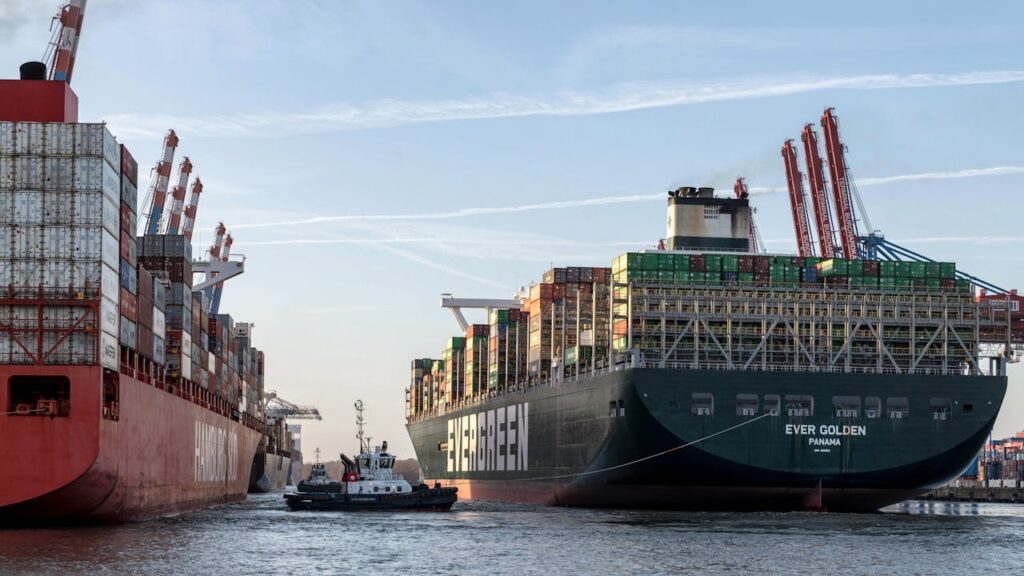
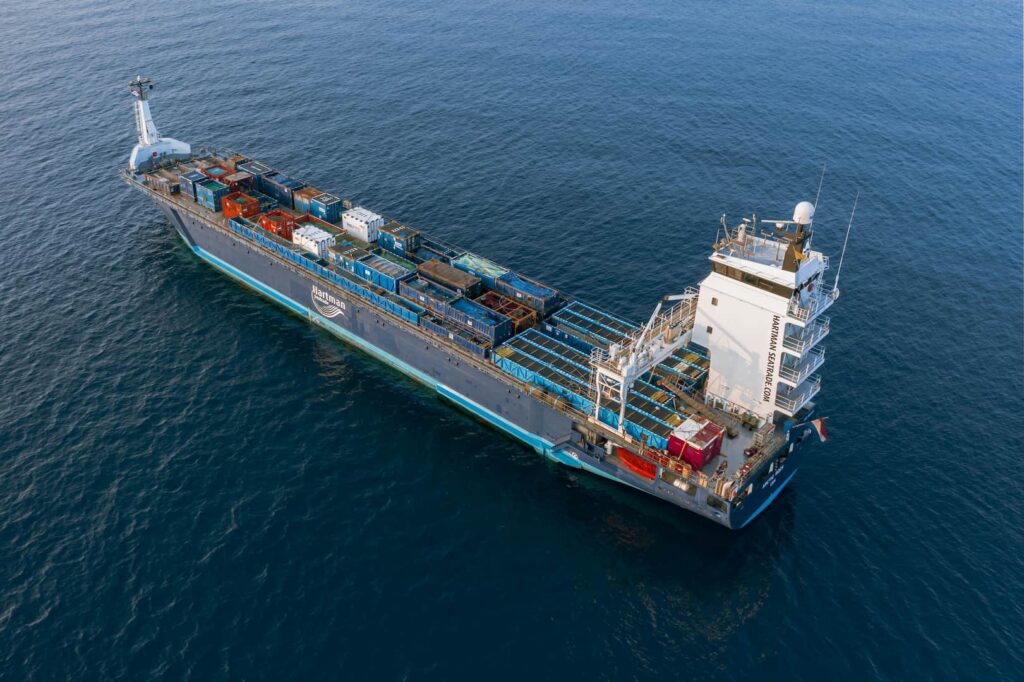
Sea freight, also known as ocean freight, involves shipping goods via cargo ships and is essential for international trade. Sea freight is the most economical method for transporting large volumes of goods over long distances. It includes both Full Container Load (FCL) and Less than Container Load (LCL).

Advantages of Sea Freight

  • Low Cost for Large Shipments: Ideal for bulk goods due to lower shipping rates compared to air freight. The cost per unit decreases significantly for large shipments, making it a cost-effective choice for businesses.
  • Flexibility with LCL Shipping: LCL allows shippers to consolidate smaller shipments into one container without needing to fill an entire container. This flexibility makes sea freight accessible to businesses of all sizes.
  • High Capacity: Ships can carry vast quantities of oversized cargo, making them suitable for large shipments, whether LCL or FCL.
  • Environmental Impact: Generally more eco-friendly per ton-mile than air transport.
  • Global Reach: Sea shipping is ideal for international shipping across continents. 

Common Goods Shipped via Sea Freight 

Sea freight is often used to transport shipments of containers, raw materials (coal, oil and steel), electronics, furniture and large machinery. Bulk commodities like grains and chemicals are also transported by ocean shipping service. 

Although slower than air or land freight, sea freight services remain the preferred option for non-time-sensitive shipments.


3. Air Freight

 Types of freight transportation air freight

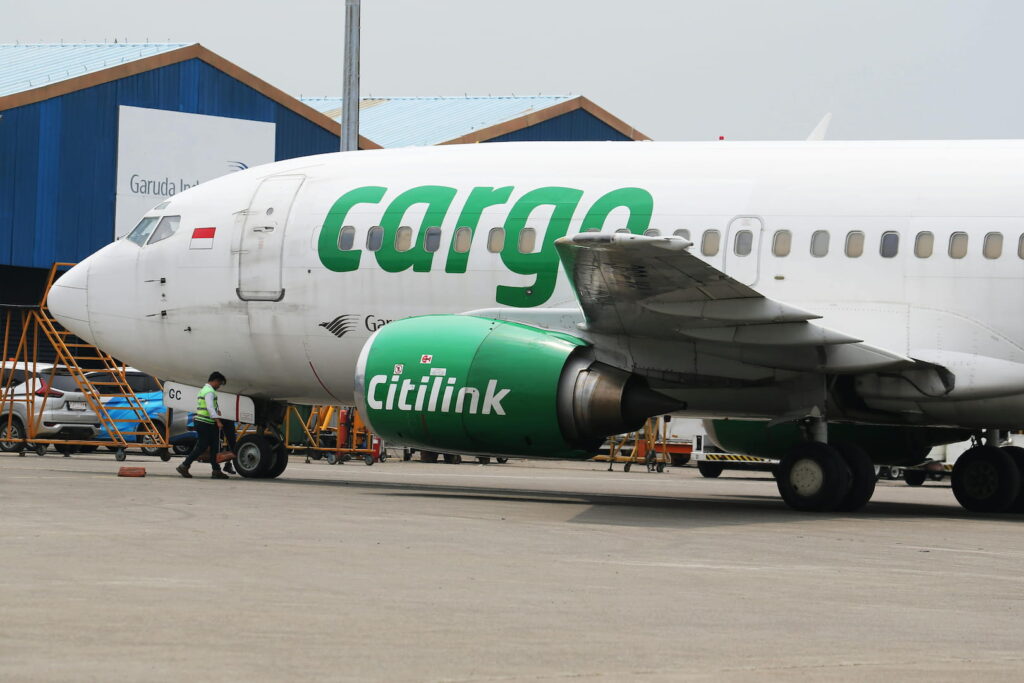
Air freight or air shipping is known for its speed and reliability, making it a preferred choice for time-sensitive shipments and a go-to choice for high-value items. Air freight is ideal when time is critical, but it comes with higher costs compared to other modes.

Advantages of Air Freight

  • Speed: Air freight is the fastest mode of transportation, ideal for urgent deliveries. The transit time ranges from 1 to 7 days, depending on the route.
  • Global Reach: Shipping by air connects businesses quickly across continents.
  • Reduced Inventory Costs: Air shipping has faster transit times, which can lower inventory holding costs.

Common Goods Shipped via Air Freight 

Common air cargo goods shipped by air freight are high-value items like electronics, pharmaceuticals, medical supplies and perishable goods (flowers, food and more).


4. Rail Freight

Types of freight transportation rail freight

Rail freight is an efficient option for transporting large volumes of goods over long distances on land. Rail freight is commonly used in intermodal transport, where goods are transferred between rail and road.

Advantages of Rail Freight

  • Cost-effective for Bulk Goods: Particularly economical for heavy or bulk shipments.
  • Reliability: Offers predictable transit times and schedules.
  • Environmentally Friendly: Generally emits fewer greenhouse gases compared to road transport.

Common Goods Shipped via Rail Freight

Rail freight is commonly used for raw materials like coal, minerals, timber, agricultural products, containers and machinery.


Other Modes of Freight Transportation

In addition to the major types of freight transportation, several specialized freight transportation services are also addressed to specific shipping needs:

1. LTL (Less Than Truckload)

Ideal for smaller shipments that do not require a full truck. Cost-effective as multiple shippers share a truck space but may involve longer transit times due to multiple stops.

2. FTL (Full Truckload)

Used when a shipment occupies an entire truck. Offers faster delivery as it goes directly from sender to recipient without additional stops.

3. Cross-Border Trucking

Cross-border trucking moves goods across international borders, or cross-border freight. The method is essential for international shipments that require customs clearance and provides efficient logistics solutions across borders. It is flexible and cost-effective for regional trade, such as within ASEAN or NAFTA countries.

4. Intermodal Freight

Combines multiple modes of transport (e.g., rail and truck) or (e.g road and air). Intermodal freight optimizes cost and delivery time while minimizing handling. Best suited for long-distance shipments where speed is less critical.


How to Choose the Right Freight for Your Logistic Needs

Selecting the appropriate mode of freight transportation involves considering several factors:

  • Cargo Type: Determine whether your goods are perishable, fragile, or bulk items. This will influence your choice significantly.
  • Distance and Destination: Consider how far your goods need to travel and whether they are going internationally or domestically.
  • Time Sensitivity: If your shipment is urgent, air freight may be necessary despite its higher costs.
  • Budget Constraints: Evaluate your budget against the costs associated with each mode; sea freight may be more economical for large shipments over long distances.


Conclusion

Choosing the right type of freight transportation is critical to ensuring that your goods arrive safely and on time. Each mode has its advantages and limitations based on factors like cost, speed, and cargo type. 

For businesses looking to optimize their shipping logistics, consider utilizing Global Track Lines services in air freight, sea freight, or cross-border trucking services to meet your logistics needs.

What is Freight Forwarding? Why Businessess Need to Know

freight forwarder malaysia

International shipping can be challenging to handle individually or as a business. This is due to the fact that there’s many steps and documentation preparation involved before the shipment can be delivered to their respective destination safely and legally. 

To make the shipping process simpler, most organizations or individuals often opt for a freight forwarding company to manage their logistics. And why is that? Let’s hop on to find out why businesses rely on freight forwarder agents to manage their shipping process domestically and internationally. 

what is freight forwarding

What is Freight Forwarding?

First of all, what is freight forwarding? Freight forwarding involves the organization and management of shipping goods from suppliers to customers or businesses. This includes handling transportation and delivery, customs clearance, and other logistical challenges when shipping goods or, if necessary, crossing borders from one country to another. Freight forwarders streamline the supply chain and ensure smooth delivery to the final destination. 

The Role of a Freight Forwarder

A freight forwarder, also known as a freight forwarding agent, is a professional who is familiar with the local tax rules as well as any other transportation laws or regulations and acts as a logistics partner, easing the steps as they have the license and the qualifications. They handle the entire shipping process on behalf of businesses. Their primary role for freight forwarders includes:

  • Coordinating Transport: Choosing the best transportation modes (air, sea, rail, or road) and managing the shipment from start to finish.
  • Navigating Regulations: Ensuring compliance with international trade laws, customs rules, and local tax regulations.
  • Providing Expertise: Offering professional advice and leveraging their extensive industry experience to streamline logistics and resolve issues.

In short, a freight forwarder is the link between suppliers, shippers, and customers, ensuring the shipment process runs smoothly to its final destination.

Key Services Provided by Freight Forwarders

Here are the common main services that are offered by freight forwarder agents:

  1. Handling of Transportation: A freight forwarder will recommend the best transport method for the shipment and manage the entire route.
  2. Customs Clearance: All documentation and procedures related to import/export laws and customs clearance will be handles by the freight forwarder.
  3. Shipping Documentation: They prepare and ensure the accuracy of bills of lading, commercial invoices, and permits.
  4. Storage of Goods: Most freight forwarders will provide secure warehousing service facilities to store your goods during transit.
  5. Cargo Insurance for Transporting Goods: Offering marine cargo insurance to cover loss, theft, or damage during transit.

What is the Difference Between a Freight Forwarder and a Shipping Company?

Although freight forwarders and shipping companies are both involved in the logistics industry, they serve different purposes:

  • Freight Forwarder: A freight forwarder acts as an intermediary. They don’t own transportation assets but instead coordinate logistics and handle necessary documentation, customs clearance, insurance and risk management.
  • Shipping Company: A shipping company owns and operates the transport vehicles such as ships, trucks, or planes. Their primary focus is moving goods from one location to another.

Generally, freight forwarders provide a broader range of logistics services, offering end-to-end logistics solutions, while shipping companies focus solely on the physical transport of goods.

Who Should Use a Freight Forwarder?

Freight forwarding is particularly valuable for:

  • Importers and Exporters: Businesses navigating international trade.
  • E-commerce Retailers: Online stores shipping globally.
  • Manufacturers: Companies moving raw materials or finished products.
  • Small and Medium Enterprises (SMEs): Businesses needing cost-effective logistics solutions like LCL services.

Advantages of Using a Freight Forwarder for Businesses

Leveraging freight forwarding shipping services offers several benefits for businesses:

1. Expertise in Global Shipping Regulations

Freight forwarders are knowledgeable about international shipping laws and regulations, ensuring compliance, minimizing the risk of fines and delays, as well as avoiding legal issues.

2. Cost-Effective Shipping Solutions

Due to their established industry connections with carriers, freight forwarders can negotiate better rates and optimize shipping costs, ultimately saving businesses money in the long run.

3. Comprehensive Document Management

Freight forwarder agents manage all necessary documentation for shipping, from bills of lading to customs paperwork, reducing the risk of errors and ensuring accuracy and compliance.

4. Access to Global Networks

Freight forwarders often have extensive connections and networks with carriers, agents, and warehouses worldwide that allow them to offer services across various regions efficiently.

5. Risk Management and Insurance

Freight forwarding agent assess potential risks during transit and will recommend and provide cargo insurance to protect shipments against loss or damage during transit.

6. Warehousing and Distribution Services

Many freight forwarders offer secure warehousing facilities for secure storage to accommodate goods before delivery.

7. Streamlined Supply Chain Operations

By integrating logistics processes, freight forwarders ensure timely and coordinated deliveries.

8. Flexibility for Businesses of All Sizes

Freight forwarding services can be tailored to meet the needs of small businesses as well as large corporations.

9. Better Visibility and Tracking

With tracking tools, freight forwarders provide real-time updates, giving businesses control to monitor their shipments in real-time

10. Time Saving

Outsourcing logistics to a freight forwarder frees up time for businesses to focus on their core activities.

For most businesses, handling international shipping alone is challenging due to complex documentation, regulations, and logistics requirements. Freight forwarders simplify this process by managing the entire shipping journey.

Types of Freight Services by an International Freight Forwarder

International freight forwarders offer a variety of services to facilitate the movement of goods across borders. The primary types of freight services include:

1. Air Freight Forwarding

Air freight forwarders manage all logistics associated with air transport, including customs clearance, packing, and insurance. Air freight service prioritizes quick transit times and reliable delivery schedules, which often come at a higher cost compared to other methods.

2. Sea Freight Forwarding

Sea freight is a cost-effective option that is suitable for large volumes of goods that are less time-sensitive. Sea freight forwarders coordinate all logistics related to ocean transport, including container loading, customs clearance, and documentation. They handle both Full Container Load (FCL) and Less than Container Load (LCL) shipments.

3. Land Freight

Land freight forwarders manage the logistics of transporting goods via road and rail. This includes route planning, trucking selection, and customs clearance for domestic and cross-border shipments within the same continent. Land freight is often used for regional distribution and intermodal transport solutions to locations that may not be accessible by air or sea.

4. Rail Freight

Rail freight forwarders manage all logistics associated with transporting goods by train, ensuring a reliable and cost-effective solution for moving large volumes of cargo over long distances. They handle various aspects, including customs clearance, documentation, and coordination with rail operators.

Each freight type has its own logistics advantages, and the choice often depends on the specific requirements of the shipment. Learn more here for a deeper insight into the types of freight transportation.

types of freight services

Steps Involved in Freight Forwarding

The freight forwarding process involves several stages. Here are the important steps involved:

1. Agreement of Order

Both the supplier and importer will come to an agreement for the trade.

2. Origin Handling

Freight forwarders arrange shipment of goods to the seaport or airport.

3. Customs Clearance for Export

The freight forwarder will then handle all of the required paperwork for the export permit and other relevant matters involving the laws and regulations between the supplier and receiver. Check out the detailed guide on the export permit in Malaysia here.

4. Transportation Handling

The goods will be transported by air shipment or sea shipment from the origin to the destination.

5. Customs Clearance for Import

Once the goods arrive at the destination port, once again the freight forwarder will handle the necessary paperwork involved for the import customs clearance for the import permit. For more details on how import permits work in Malaysia, check out the detailed guide to SIRIM import permit here.

6. Final Destination Handling

After the goods have been approved, the freight forwarder will ensure the goods will be transported towards the destination.

Cost Factors in Freight Forwarding

The overall cost of freight forwarding in Malaysia depends on several aspects such as:

  • Total Distance: Longer routes cost more.
  • Weight, Size, and Volume of Goods: The overall weight and size of the goods will impact the total shipping cost. Heavier goods incur higher costs.
  • Taxes and Duties for Customs: Customs fees add to the total cost of freight forwarding.
  • Transportation Method: Generally, air freight is costlier than sea freight

Choosing the Right Freight Forwarder

To choose the best freight forwarder, business should look for:

  • Check the Reviews: Look for customer feedback and reputation.
  • Evaluate the Network: Ensure the freight forwarder has strong connections with global agents and whether they support routes to the destination you’re looking for.
  • Explore Freight Services: Check if the freight forwarder company offers services that match your needs.
  • Level of Experience: Opt for an experienced freight forwarder for better reliability.

International Freight Forwarding Solutions by Global Track Lines

Freight forwarders play a pivotal role in global trade by simplifying logistics and ensuring the smooth transport of goods locally and globally. By partnering with reliable freight forwarder, businesses can save time, reduce costs, and focus on growth.

Global Track Lines is a trusted international freight forwarder in Malaysia offering various logistics services, including air and sea freight services, warehousing, and comprehensive logistics solutions. Contact us today to learn more about how we can support your business’s shipping needs.

A Guide to Shipping and Importing Goods from China to Malaysia

Major Sea Ports in Malaysia port of tanjung pelepas

China is one of the biggest suppliers of goods that are heavily imported to various countries including Malaysia. Shipping goods from China to Malaysia is a crucial part of the supply chain for many businesses as well as individuals. It can be a complex process, however, understanding the shipping process including the shipping costs, delivery times and regulations can help smoothen the overall process. Here’s a guide on what you need to know about shipping from China to Malaysia.

how long does it take to ship from china to malaysia by sea shipping

How Does It Take to Ship from China to Malaysia?

Depends on which transportation method, air freight and sea freight duration differ due to their speed. Generally, it is faster for goods to arrive at the destination through air shipping compared to sea shipping.

Air freight from China to Malaysia takes about 4 to 5 days, and sea shipping from China to Malaysia typically takes about 10 to 15 days to reach their destination ports in Malaysia.

However, the estimated shipping time can take longer depending on several factors such as port congestion and logistics handling.


Cost Overview of Shipping from China to Malaysia

The shipping cost from China to Malaysia varies depending on several factors. Sea freight is generally more cost-effective when shipping large volumes of goods. Some of the factors that play a role in the shipping cost are the type of load whether it is Full Container Load (FCL) or Less than Container Load (LCL), shipment weight, delivery timeframe and more. Below is a list of factors affecting the cost of the shipment:

Factors Affecting Cost of Shipping from China to Malaysia

The factors affecting the shipping cost from China to Malaysia are as below:

  1. Type of Shipment (air freight or sea freight): If we are to compare sea freight and air freight, shipping by air is pricier compared to ocean freight shipping when transporting goods internationally.
  2. Dimensional Weight of the Cargo: The bigger the volume and weight, the shipping price will be higher.
  3. Delivery Speed: The quicker you want the goods to be delivered, the higher the price.
  4. Destination Port: Depending on the destination sea ports in Malaysia, each city’s prices may vary. 

Additional Fees

Some other additional fees you may want to take note of include: 

  • Custom clearance fees
  • Preparation and packaging
  • Shipment protection
  • Documentation fees

To get an estimated price range, get in touch with us at Global Track Lines for a customized quote on sea shipping from China to Malaysia.

how long does it take to ship from china to malaysia by sea freight

Source: Labuan Port

Regulations and Documents Shipping From China to Malaysia

When goods are being shipped from China to Malaysia, businesses will need to understand and comply with customs regulations for a smooth import process. All documents submitted must be accurate, completed and submitted in a timely manner. The necessary documents you will need to complete are as below:

Required Documentation

  1. Application Form
  2. Commercial Invoice: This document details the business transaction between buyer and seller. 
  3. Packing List: This specifies the packaging and content of the shipped goods.
  4. Customs Export or Import Declaration
  5. Bill of Lading (Sea Freight) or Airway Bill (Air Freight): A contract between the owner of the goods and the carrier.

All of these required documentations need to be filled out accurately, as they need to be verified and approved to acquire the Form E.

Documentation of Compliance

  1. Import Permit: A SIRIM import permit is required if you’re shipping electrical or communication equipment for commercial use from China to Malaysia. This permit is required for certain controlled items, such as electronics, chemicals or medical equipment. If it’s for personal use, the permit is not necessary.
  2. Certificate of Origin (Form E): Form E is required for the ASEAN-China Free Trade Agreement (ACFTA) and it helps reduce waive import duties and must be prepared by your supplier or a freight forwarding agent. Form E document is not available online. Exporters in China must apply for this certificate.
  3. K1 Form: An official document required for importing goods into Malaysia from all mode of transportation. The document can be found on Royal Malaysian Customs Department (RMCD) through Dagangnet website.

Tax-Related Documents

  1. Duty waiver and 10% sales tax: This is applicable only for goods that qualify under specific exemptions or trade agreements.

Source: https://nichesources.com/shipping-from-china-to-malaysia.html

The shipping process from China to Malaysia can be a lot to handle, especially with the extensive documentation required. Engaging a certified freight forwarder in Malaysia can simplify the process, as they can manage key documents like import permit license, certificates of origin, and other importation documents needed. 


Get in Touch with Global Track Lines 

It can be quite a complex process for businesses to ship goods from China to Malaysia, but understanding the shipping process can help make it less challenging. Having all the necessary information and completing all the required documents can help streamline the process, allowing you to save time and money.

As an international freight forwarder, Global Track Lines will help you with all the necessary steps to ship from China to Malaysia with sea freight services or air freight services. Whether it’s for smaller goods or shipping a container from China to Malaysia, we have experienced it all. For more information, get in touch with us!