Types of Warehouse Storage to Store Shipments and Goods

importance of warehouse storage for businesses

A warehouse storage is a place used for handling and storing goods. Businesses rely on warehouse storage systems to organize, store and manage their inventory. The warehouse is an important part of the supply chain where it’s necessary to ensure an efficient flow of materials and goods from the source to the final destination where it will be used. 

There are various types of warehouse storage to store shipments and goods. Choosing the right one can help maximize space utilization, boost productivity and reduce costs as well. Let’s explore the different types of warehouse storage so you can make better decisions.

The Importance of Warehouse Storage for Businesses

Storage plays an important warehousing role in the supply chain ensuring operational efficiency. It isn’t only about keeping the goods safe. Below are some ways warehouse storage is important for businesses:

  1. Inventory Management: Warehouse storage offers a place to store and manage inventory. It focuses on the receiving and storing of goods as well as tracking the goods so nothing gets lost or misplaced.
  2. Accessibility: Warehouse storage offers quick and easy access to their goods and items, allowing your customers’ needs to be met.
  3. Security: It offers protection of inventory from damage, theft or environmental factors through security systems.
  4. Cost Efficiency: Having warehouse storage can reduce operational costs in many ways, such as optimizing storage methods, faster and more efficient distribution of goods, and inventory management for quick access and distribution.
  5. Customer Satisfaction: Due to timely delivery or an urgent order, warehouse storage can help businesses to meet customer demand fast, therefore leading to customer satisfaction which is one of the important aspects for business. 


Types of Warehouse Storage Solutions

There are many ways on how to store your goods in a warehouse, and how the goods are stored and sorted is different to meet its objective. Let’s take a look at the 6 types of warehouse storage solutions:

1. Bulk Storage

type of warehouse storage bulk storage

Bulk storage in a warehouse involves large volumes of goods in an open area without shelving or racking systems. The goods are typically stored in the original containers without packaging. This type of storage is ideal for:

  • Large or irregularly shaped goods such as construction materials or furniture.
  • Storage tanks that are ideal for liquid storage.
  • Businesses with a low turnover inventory.


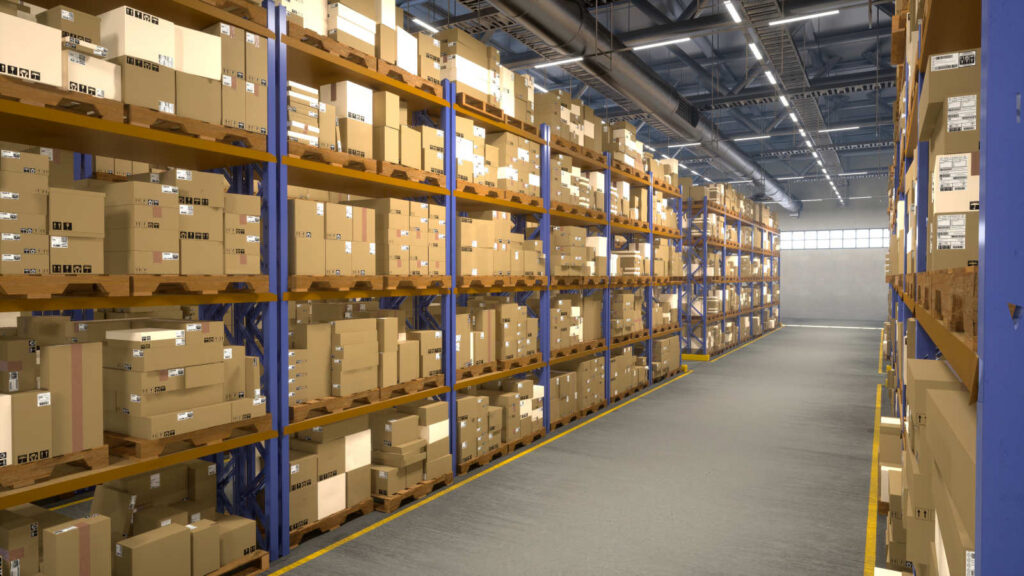
2. Pallet Racking Systems
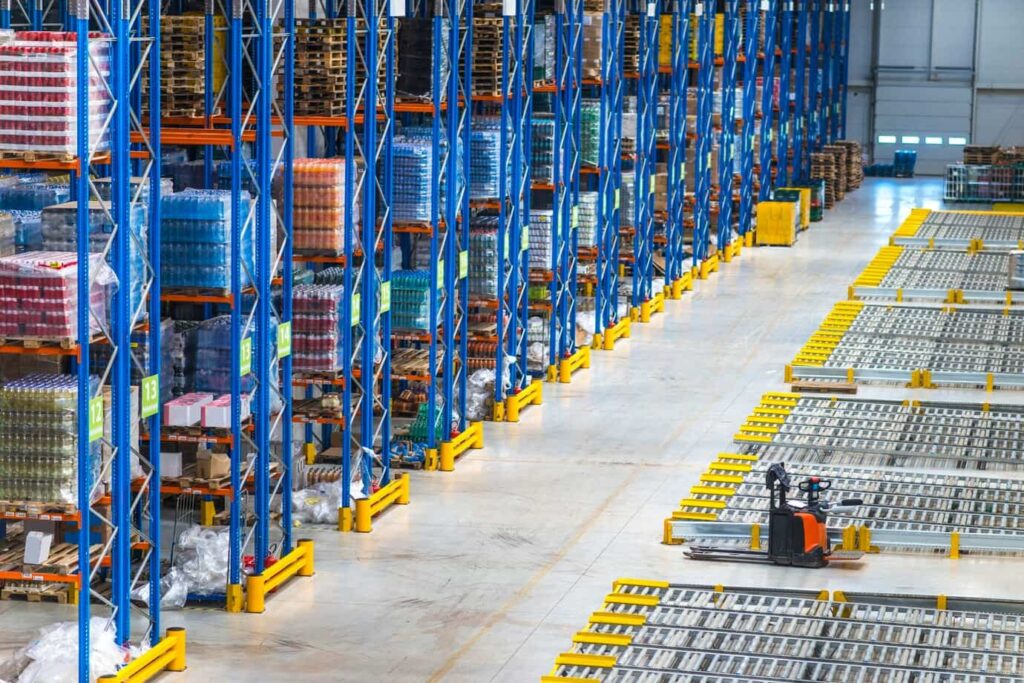
type of warehouse storage pallet racking

One of the most common warehouse storage solutions is the pallet racking system. They are usually made out of wood, metal or plastic and are typically designed to store heavy large boxes. The pallet racking system is arranged in such a way that large amounts of goods can be stored in a small space. Some of the types of pallet racking systems include: 

  • Drive-in racking
  • Double-deep racking
  • Push-back racking
  • Mobile racking
  • Vertical racking


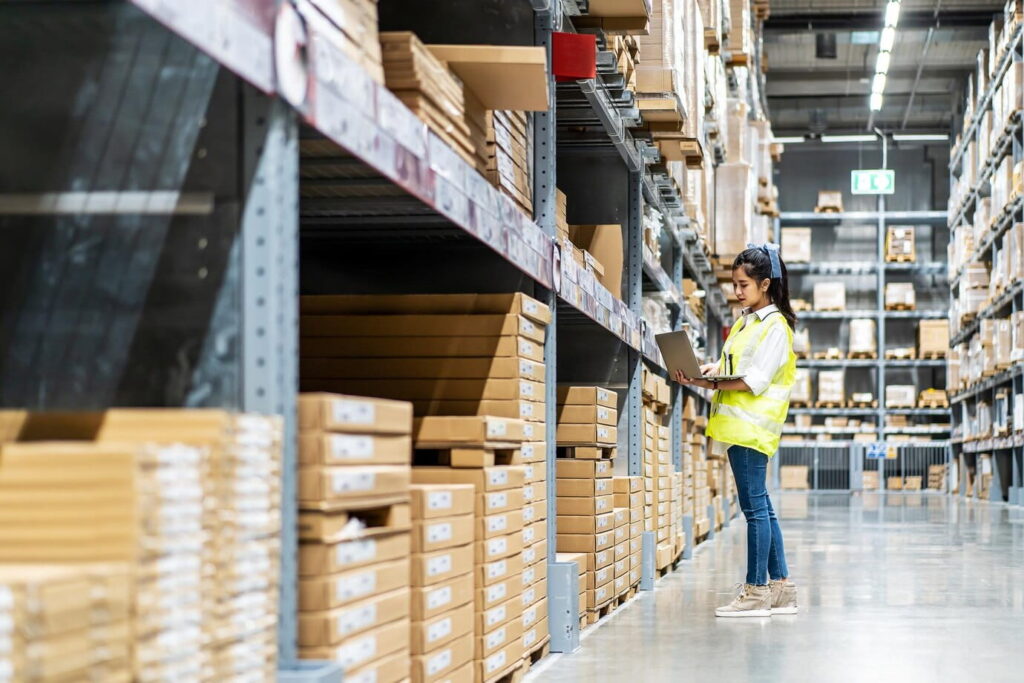
3. Shelving Systems

type of warehouse storage shelving systems

Another popular choice for warehouse storage is shelving systems. They are designed for businesses that require quick and easy access to their goods. Plus these systems can accommodate various sizes and weights of products. They’re commonly used in e-commerce and retail handling smaller items. For example, Ikea is using shelving storage methods. Types of shelving systems include:

  • Static shelving
  • Wire shelving
  • Mobile shelving


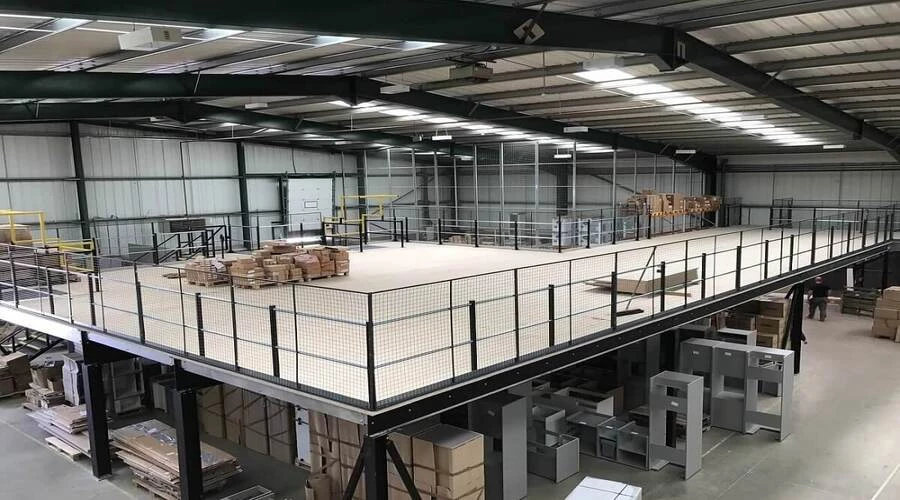
4. Mezzanine Flooring

type of warehouse storage mezzanine flooring

Source: https://www.13sqft.com/blog/what-is-a-warehouse-mezzanine-and-what-are-the-benefits

This type of warehouse storage is an effective and space-saving storage option in which it involves adding an elevated platform within the warehouse between the ceiling and the main floor of the warehouse to create additional storage space as well as working space. This option is great for warehouses that have high ceilings. Mezzanine flooring is one of the more expensive options for warehouse storage to choose from, however, it has many key advantages:

  • Provides storage space for lightweight goods.
  • Utilizes vertical space efficiently without having to increase storage space.
  • Offers flexibility to dismantle or expand when needed.


5. Climate-Controlled Storage
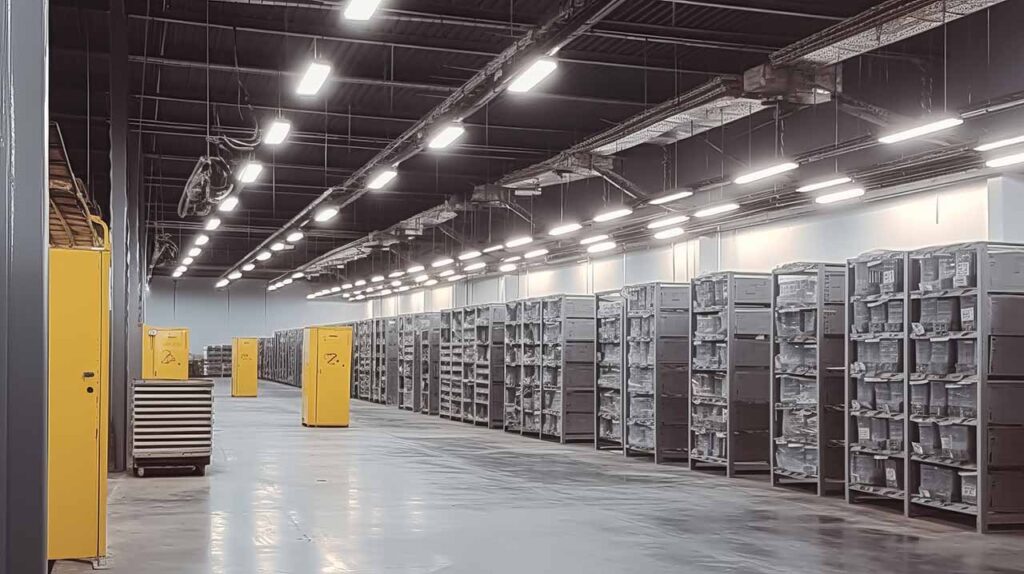
type of warehouse storage climate controlled storage

Source:https://www.amsc-usa.com/blog/unlocking-the-benefits-of-a-climate-controlled-warehouse/

Climate-controlled storage as the name suggests is a storage facility that is designed to maintain consistent temperature, humidity as well as air quality for goods that are sensitive to temperature, humidity and other environmental factors. The temperature can be controlled to suit the temperature requirements of the goods to prevent spoilage or damage. This type of warehouse storage is essential for:

  • Perishable goods such as food products and beverages.
  • Pharmaceutical, healthcare and medical supplies 
  • Cosmetics
  • Electronics and sensitive equipment.


6. Automated Storage and Retrieval Systems

 type of warehouse storage automated storage and retrieval systems

Source: https://www.globaltrademag.com/4-benefits-of-integrating-an-automated-storage-and-retrieval-system/

Automated storage and retrieval systems or ASRS are computer-controlled systems that use advanced technology to store and retrieve goods with minimal human assistance. It is the process of automating the movements of goods into, within and out of the warehouse to customers. ASRS is ideal for industries handling high volumes of goods that require accurate access and distribution of goods. The key features of this warehouse storage system include:

  • Reduced labour costs.
  • Reduced risk of human errors.
  • High precision and speed in managing inventory.
  • Optimal space utilization.


 choosing the right storage in warehousing

Choosing the Right Storage Type for Your Inventory

With many choices, choosing the right storage type for your inventory can be difficult. The best warehouse storage system for your business is one that meets your needs. There are a few factors you may need to consider when choosing the right storage:

  1. Capacity: Consider how much storage capacity your inventory needs and ensure the storage type you choose for your business can hold the weight of your inventory.
  2. Product Type: Storage type also depends on the type of product you handle. Consider its shelf life, temperature sensitivity and other factors such as whether they’re bulk-sized, palletized or small items.
  3. Accessibility: If your goods require easy, quick and frequent access to them, choose a storage system that allows for easy access. 
  4. Safety: Safety should always be a top priority. Ensure that the warehouse of your choosing has efficient security measures to avoid any theft or other miscellaneous activities. 
  5. Budget: When choosing a storage system, it’s also important to consider the cost-effectiveness of the chosen storage system. It’s best to choose something that offers a balance between quality and affordability that meets the storage you need.


Benefits of Optimizing Warehouse Storage

Optimizing warehouse storage is a top priority for most businesses, as it offers several advantages. Here are some of the advantages of optimizing warehouse storage:

1. Improved Productivity

An optimized warehouse improves overall efficiency and productivity where less time is spent on inventory management.

2. Improved Safety of Goods and Products

Optimizing warehouse storage minimizes the risk of accidents and product damage, ensuring a safe environment for employees as they’re in the safe hands of the warehouse specialist. 

3. Better Inventory Accuracy

With an organized warehouse space and simplified system, picking and packing errors can be significantly reduced as the items are categorized and sorted.  

4. Cost Savings on Expansion

Not everyone has a space where they can store their goods, especially when it involves a large amount of items of varied size and functionality. Utilizing the warehouse storage space efficiently reduces the need for an expansion for extra storage space or additional facilities, thus, reducing cost.

Find out the Benefits of Outsourcing Warehouse Service as a B2B Business here. 


Optimize Your Warehouse Storage in Malaysia with Global Track Lines

Choosing the right warehouse storage system is important to meet your inventory needs as well as to achieve your business goals. Understanding the different types of warehouse storage – bulk storage, pallet racking systems, shelving systems, mezzanine flooring, climate-controlled storage systems and automated storage systems can help you make the right decisions that will align with your warehousing needs. 

At Global Track Lines, we offer comprehensive warehouse service solutions in Malaysia that are designed to meet your needs for storage. We provide a range of warehousing services from inventory management to labelling and transportation, ensuring safe and secure warehousing throughout the logistics process. Contact us today to learn more about our team and our services!


Warehousing in Supply Chain Management and How They Work

what is warehousing in supply chain management

From production to delivery, each and every stage in the supply chain management plays an important in ensuring the goods reach consumers in a timely manner. One vital stage in supply chain management is warehousing. It plays a crucial role in ensuring that goods move efficiently from manufacturers to end-users. Let’s learn more about warehousing in supply chain management and how it works.


What is Warehousing in Supply Chain Management?

So what really is warehousing in supply chain management (SCM)? It is the process of storing goods that will be distributed to end-users later. Warehouses serve as a central hub where goods are received, stored and prepared for shipment to customers or retailers. In other words, the goods are well kept or stored in a large building between the time they are procured and the time they are ready for distribution to customers. 


6 Types of Warehouse Storage in Supply Chain Management

There are several warehouses where each type is utilized for a different type of business. Below are the different types of warehouse storage in supply chain management:

1. Private Warehouse 

Private warehouses are a popular option of warehouses. These warehouses are usually owned and operated by large companies or manufacturers for exclusive use. Big companies like wholesalers, distributors and manufacturers that have high inventory volume typically have their own private warehouses to store their goods. 

2. Public Warehouse

This type of warehouse in supply chain management typically offers temporary storage space for the public. These storage spaces are available for rent by multiple companies. They’re ideal for businesses who need storage space for a short period of time or for businesses who need smaller storage space as other warehouse options may be more expensive for them to invest. 

3. Bonded Warehouse

Bonded warehouses store imported goods before customs duties are paid. Due to customs clearance being a lengthy process, bonded warehouses can store goods temporarily while customs clearance is being completed. Besides that, it also allows businesses to defer duties and taxes until the goods are being released for sale or export internationally. 

4. Smart Warehouse

A more modernized warehouse is called a smart warehouse where it’s highly advanced with the use of AI. This automated storage space uses the latest technology for efficient, quick, accurate and safe processing and storing of goods. Smart warehouses are often designed to be more sustainable and environmentally friendly, making them a great option for a lot of large businesses especially those in the e-commerce industry with high-volume, fast-moving supply chains.

5. Distribution Centers

Distribution centers, also known as logistic warehouse, have large storage capacities that is capable of moving large quantities of goods in a short period of time. They focus on receiving, storing and quickly dispatching goods to customers. This may be a good option for businesses that deal with perishable goods such as fruits, vegetables and meat. 

6. Cold Storage Warehouse

Unlike the other types of warehouses, cold storage warehouses as the name suggests, are used for the storage of temperature-sensitive goods such as fresh produce. These warehouses use temperature control systems to maintain a consistently cold environment, ensuring that the quality and freshness of the goods are preserved and maintained. The low temperatures in the warehouse ensure inventory is safe and the reduced risk of any loss before the goods are transported to their final destination. 


For more information that caters to your warehouse storage needs, including general, bonded, and specialized storage for temperature-sensitive and high-value items—visit our 3PL warehouse service page.


 importance of warehousing in supply chain management

Importance of Warehousing in the Supply Chain Management

Warehousing is important in supply chain management as it helps bridge the gap between production and demand and to maintain smooth operations. Here is the role of warehouse in SCM: 

1. Inventory Management

Warehouses that are managed well help companies avoid overstocking or understocking their goods. It helps companies to keep track and keep them updated on their inventories. This ensures their inventory is healthy for a well-managed supply chain.

2. Order Fulfillment

Companies can improve their processing time, and reduce delays between orders and distribution with proper inventory management. This increases customer satisfaction. 

3. Minimize Cost

Storing goods at a warehouse near your ideal customers can reduce significant shipping costs. 

4. Increased Storage Capacity

Warehouses in centralized locations provide sufficient storage for businesses and they can efficiently store their goods safely in large quantities whether they are raw materials or finished goods before they are distributed.

5. Risk Mitigation

Investing in a properly managed warehouse for your goods can help provide security against damage, theft and natural disasters. 


How Supply Chain Management Benefits from Warehousing

Below are some ways supply chain management can benefit from warehousing: 

1. Faster Delivery of Goods

To ensure quicker delivery of goods, storing goods closer to customers can help maintain the supply chain, reducing time and improving customer satisfaction.

2. Cost Savings

When goods are handled efficiently with care, it minimizes waste and thus, reduces cost. Plus, it also reduces transportation costs when bulk shipments are being used, reducing the need for frequent deliveries.

3. Improved Inventory Management

Warehouses that are well managed can provide real-time tracking and management of goods. This allows businesses and companies to keep track of stock levels at any given time.

4. Strategic Location

Choosing a warehouse location that is nearer to your customers can improve the efficiency of supply chain management. This helps with the seamless flow of the supply chain, allowing quicker deliveries and avoiding delays.

Read more about the benefits of outsourcing a warehouse service for businesses here. 


Impact of Warehousing on Supply Chain Efficiency

Warehousing can significantly boost supply chain efficiency and enhance operational productivity. Here’s how warehousing impacts supply chain efficiency:

1. Facilitate Flexibility

Companies can store excess products, enabling them to manage fluctuating demand or market changes that are sudden without production delays or stock shortages.

2. Speed up Distribution

Warehousing with proper management can provide real-time tracking of inventory data, preventing any sort of delay and minimizing shortage of stocks, helping in optimizing both the speed and accuracy of distribution of the goods. Orders can be processed efficiently and more quickly when inventory is accurately tracked. 

3. Enhance Order Accuracy

Using technology such as barcode scanners, RFID systems or AI such as robotics or drones, can help warehouses to precisely locate, pick and pack items, ensuring customers receive the right products, thus enhancing order accuracy. This way, it enables faster, more consistent operations while reducing the risk of misplacements or incorrect orders.


Global Track Lines for 3PL Warehouse Service

As you know now warehousing is one of the important stages of successful supply chain management, it’s important to choose the right and efficient warehousing solution for your business.

If you’re looking for a reliable warehouse storage in Malaysia, Global Track Lines offers efficient warehouse service in Malaysia and distribution in Port Klang. We specialize in handling general storage, long-term storage, bonded warehouse, and cold storage for sensitive goods, safe and secure in the hands of our experts. Our experienced team will work closely with you to understand your requirements and provide customized warehousing solutions that improve efficiency and minimize costs.

To learn more about how we can help you with all your warehouse needs, contact us today! 

The Benefits of Outsourcing a Warehouse Services in B2B

What is Warehouse Outsourcing Service

Handling warehouse storage and distribution can be challenging for companies or organizations, especially when they’re aiming to cut down costs and improve efficiency. One of the ways to handle this would be to outsource warehouse services from companies that are specialized in handling them.

Many 3PL warehouse service companies help businesses streamline their processes while they focus on core business activities. To learn how outsourcing a warehouse helps streamline your operations, read here to find out.

What is a Warehousing Service?

Warehousing services involve the handling, storage, and management of inventory before distribution to the appropriate locations, including inventory management, shipment, distribution, and fulfillment.

Today, some companies or organizations manage warehouse storage and distribution in-house. However, many are gradually shifting towards third-party logistics (3PL) warehouse services, as these have proven to be more efficient in managing their inventory.

Benefits of Outsourcing Warehouse Services in Malaysia

7 Benefits of Outsourcing Warehouse Services for B2B

There are many benefits of outsourcing warehouse services for B2B as shown below:

1. Cost Savings

Outsourcing warehouse services can result in significant cost savings for B2B businesses. When you outsource, you avoid the large upfront costs of purchasing or leasing a warehouse and the ongoing expenses associated with warehouse management, such as utilities, staffing, and maintenance. Instead, when renting a warehouse for your goods, you only pay for the storage space you actually need. Additionally, warehouse service companies typically offer a ready-to-use infrastructure, reducing the need for capital investment in equipment or technology.

2. Access to Expertise

Outsourcing to a 3PL warehouse grants you access to a team of experts with extensive knowledge in warehouse management and logistics. These professionals are well-equipped to handle storage, distribution, and inventory challenges, providing guidance and problem-solving as needed. This expertise not only saves time but also reduces costs by allowing you to focus on your core business while leaving logistics to experienced professionals.

3. Improved Efficiency

3PL warehouse services utilize advanced software, tools, and technology to manage inventory, process orders, and oversee shipping operations. By streamlining these processes, they help reduce errors, minimize delays, and improve order fulfillment speed. This leads to more efficient and reliable supply chain, enhancing overall business performance.

Read more here to understand how warehousing works with supply chain management.

4. Scalability and Flexibility

Outsourcing a warehouse offers scalability and flexibility, enabling your business to grow without the burden of additional costs or manpower. As your demand for storage increases with business growth, these service can easily adjust their services to meet your needs. With access to a larger pool of resources, they can scale operations quickly, allowing you to expand seamlessly without worrying about the logistics of warehousing.

5. Focus on Core Business Activities

3PL warehousing allows you to concentrate on your core business functions. By entrusting storage and distribution tasks to a third-party, you can free up valuable time and resources to focus on areas that drive business growth, such as product development, marketing, and customer service. This is especially beneficial if your business lacks the manpower or expertise to manage warehousing efficiently, enabling your team to dedicate their efforts to high-priority tasks.

6. Enhanced Technology and Infrastructure

Keeping up with the latest technology can be challenging and costly, but warehouse service companies are dedicated to staying at the forefront of industry advancements. Most warehouse services invest in cutting-edge software, automation, and infrastructure to manage inventory, orders, and shipping more efficiently. By outsourcing, you gain access to the latest tools and technologies without the need to constantly update or upgrade your own systems.

7. Risk Management

Managing large inventories can expose businesses to risks such as damage, loss, or theft. Expert warehousers help mitigate these risks, as they implement robust security measures, including surveillance, inventory tracking, and insurance coverage. This ensures your inventory is safeguarded, reducing the potential financial and operational impact of these risks on your business.


Conclusion

In summary, outsourcing warehouse services can provide significant advantages for your business. Partnering with a warehouse service agent allows you to focus on your core business activities while streamlining logistics and grow your business to greater heights.

If you’re looking for a reliable 3PL warehouse services in Malaysia, look no further than Global Track Lines! As a leading international freight forwarding company in Malaysia, advanced warehouse storage solutions to ensure the efficient management and distribution of your products. Contact us today!